
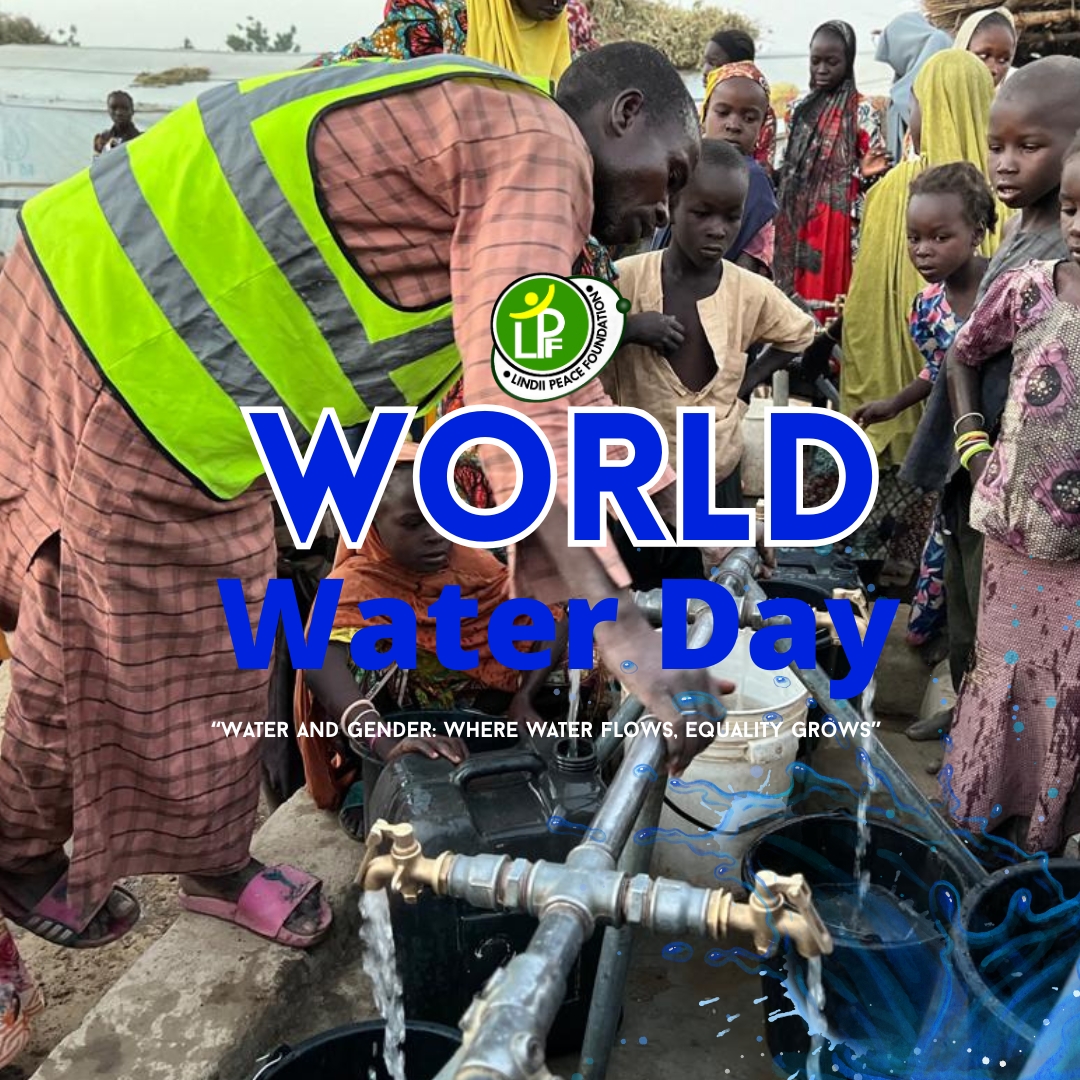
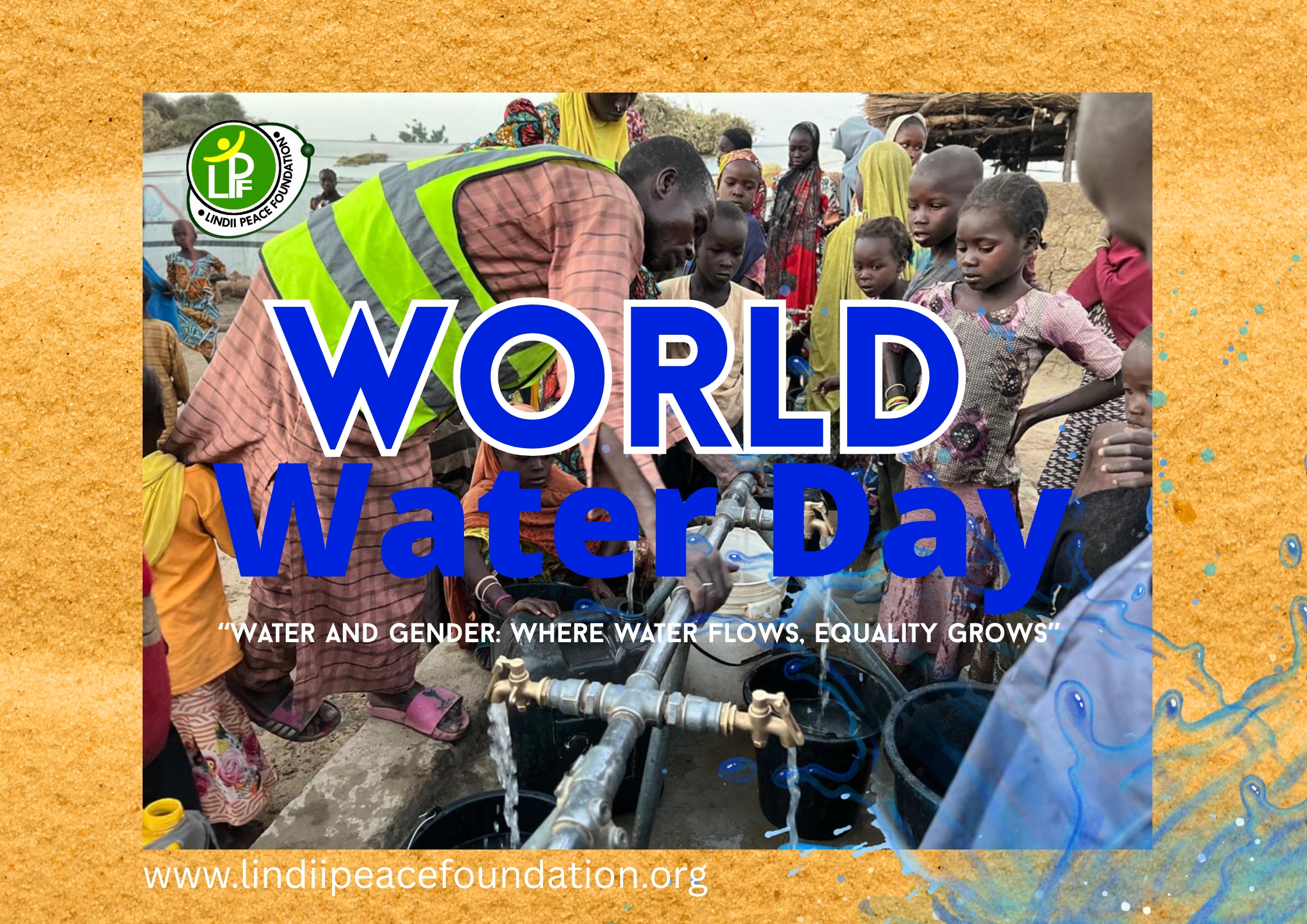
 Observed annually on 22 March, World Water Day draws global attention to the urgent water crisis and its far-reaching consequences. Today, the intersection between water insecurity and climate mobility is becoming increasingly evident. Climate-induced shocks, such as droughts, floods, salinity intrusion, pollution, and disrupted water systems, are driving displacement and deepening vulnerabilities, placing water at the centre of humanitarian and development challenges.
This year’s theme, “Water and Gender: Where water flows, equality grows,” underscores the critical role of inclusive water governance, with a strong emphasis on women’s leadership. Across communities, women and girls are disproportionately affected by water scarcity and unsafe sanitation, yet they remain powerful agents of change. Empowering women to lead in water management and decision-making processes is essential for fostering resilience, promoting equity, and ensuring sustainable outcomes.
For displaced and migrant populations, access to safe water, sanitation, and hygiene (WASH) services is closely linked to protection, dignity, and recovery. Water and shelter form the foundation of safe and healthy living conditions. In their absence, overcrowded and underserved settlements can quickly expose communities to heightened health risks, gender-based violence, and other protection concerns, particularly affecting women and girls.
At Lindii Peace Foundation (LPF), we recognize that sustainable recovery depends on integrated approaches that restore both essential water systems and safe hygiene. Strengthening WASH services alongside resilient shelter solutions enables communities to rebuild their lives with dignity, stability, and hope.
As we mark World Water Day, LPF calls for strengthened partnerships, increased investments, and inclusive policies that prioritize equitable access to water for all, especially the most vulnerable. By placing women at the forefront of water governance and addressing the interconnected challenges of water, climate, and displacement, we can build more resilient communities where equality and opportunity truly grow.
